In today’s fast-paced business landscape, data is one of the most valuable resources available to organizations. However, raw data in its unstructured form doesn’t offer much value. To make informed decisions, businesses need to convert this data into actionable insights. This is where Business Intelligence (BI) solutions come into play. BI solutions are critical tools that enable organizations to harness their data effectively, providing a clear picture of their operations, market trends, and customer preferences.
This blog post will explore the world of business intelligence, its importance, the various types of BI tools available, how BI solutions can benefit organizations, and key trends in the BI industry.
What Is Business Intelligence?
Business intelligence (BI) refers to the strategies, technologies, and tools used by organizations to analyze and convert raw data into meaningful information that informs strategic and tactical decisions. BI solutions include a variety of methods, such as data mining, reporting, and analytics, to help organizations make sense of their data and discover actionable insights.
BI solutions enable businesses to:
- Improve decision-making by basing choices on factual data.
- Identify market trends and customer preferences.
- Optimize internal processes.
- Increase operational efficiency.
- Enhance the overall competitiveness of the business.
The BI process involves several stages, including data collection, data warehousing, data analysis, and finally, the presentation of data insights in a user-friendly format such as dashboards and reports.
Importance of Business Intelligence Solutions
In the modern business environment, the ability to make quick, accurate decisions based on comprehensive data analysis can make the difference between success and failure. Here’s why BI solutions are indispensable:
Data-Driven Decision Making: Instead of relying on gut feelings or subjective opinions, businesses can base their decisions on data, leading to more accurate and effective strategies.
Improved Operational Efficiency: BI solutions streamline data analysis, enabling businesses to identify inefficiencies in their operations and take corrective actions to improve performance.
Enhanced Competitive Advantage: Companies that effectively use BI can outperform their competitors by understanding market trends faster and adapting their strategies accordingly.
Better Customer Insights: BI solutions help businesses gain a deeper understanding of customer behavior and preferences, enabling them to tailor their offerings and improve customer satisfaction.
Components of a Business Intelligence System
BI solutions typically consist of several components that work together to deliver comprehensive insights. These components include:
Data Warehousing: This is the storage layer where data from different sources is collected, cleaned, and consolidated. The data warehouse serves as the foundation for all BI activities.
Data Mining and Analytics: Data mining involves extracting patterns and trends from large datasets. Analytics tools then help interpret these patterns to provide actionable insights.
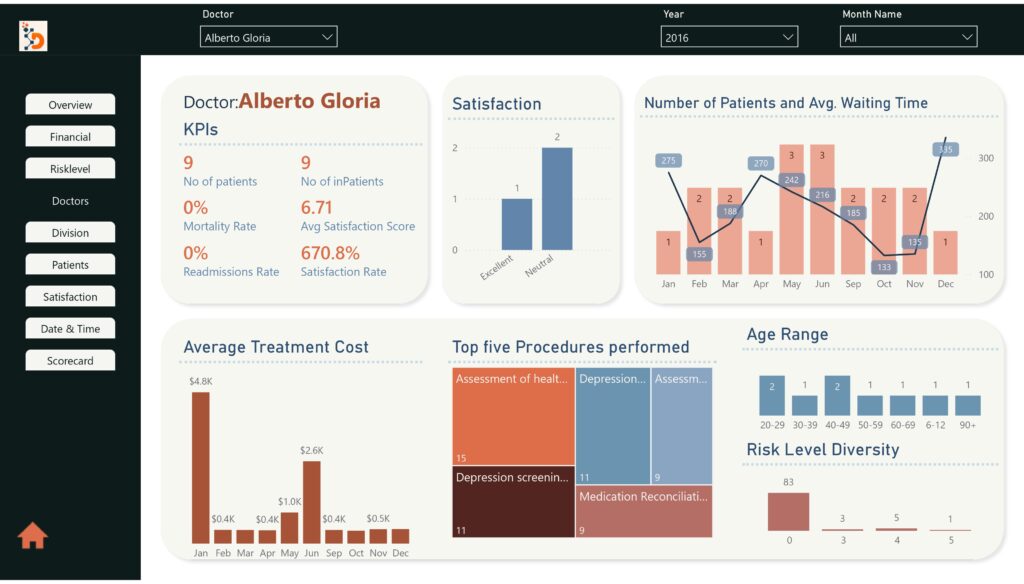
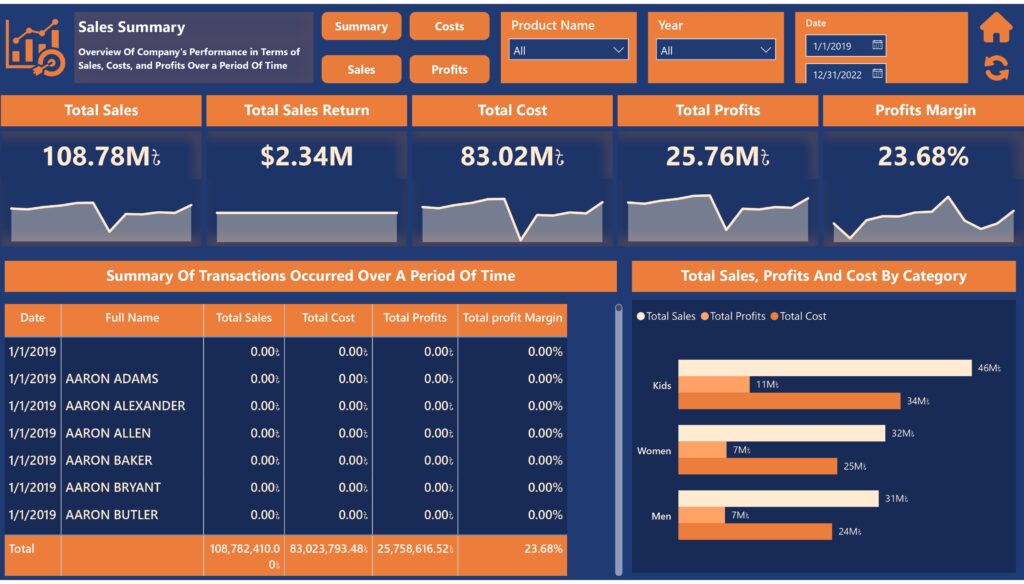
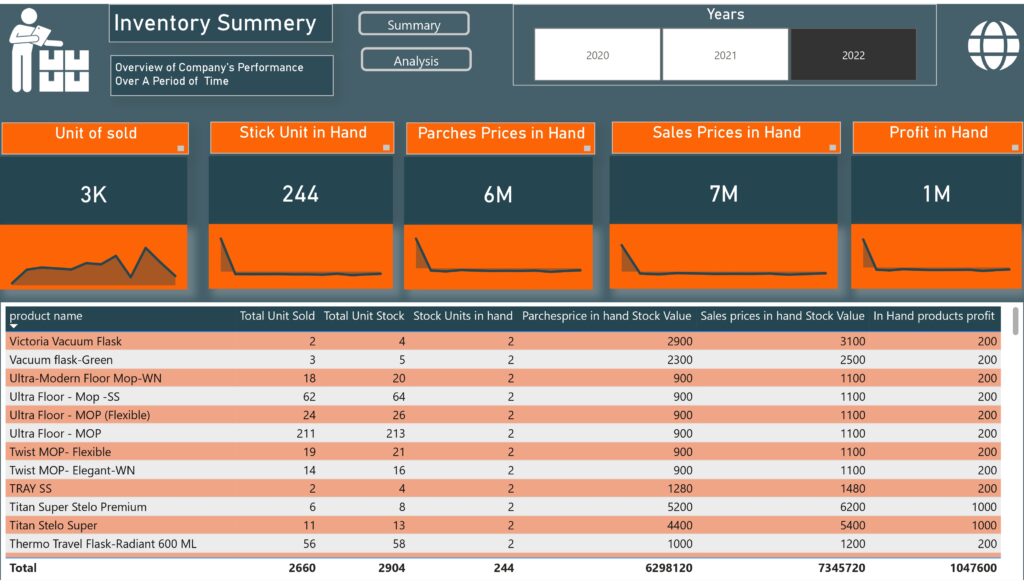
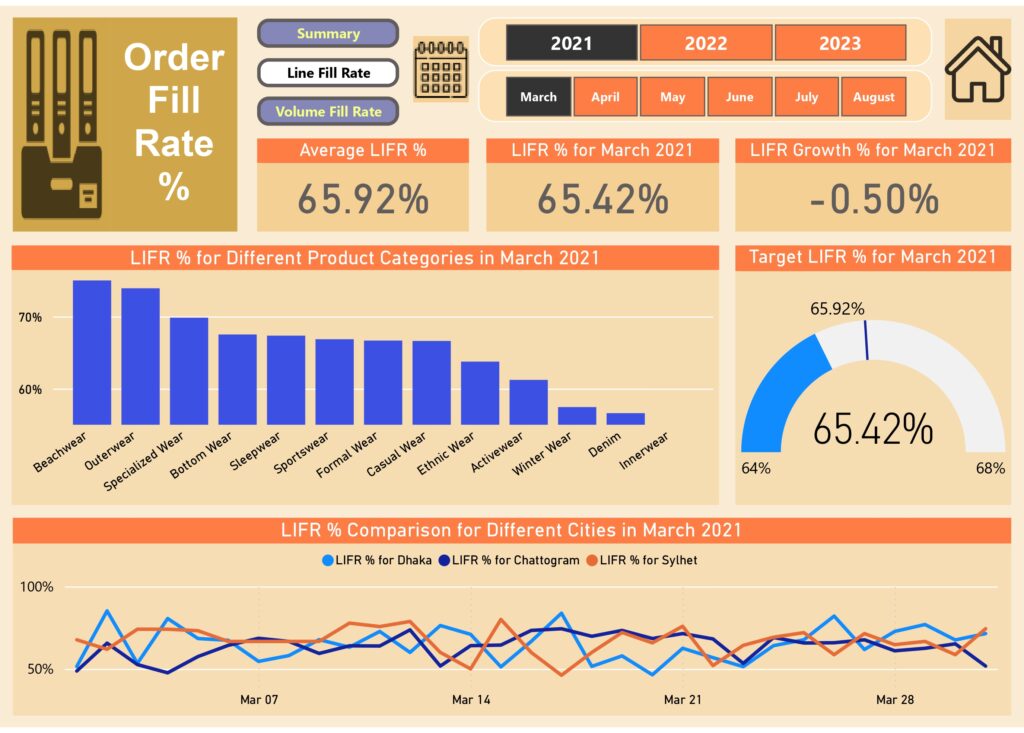
Reporting and Dashboards: Reporting tools generate structured reports on various business metrics, while dashboards provide a real-time visual representation of key performance indicators (KPIs), making it easier for decision-makers to monitor progress.
Predictive Analytics: Some BI solutions offer predictive analytics, which uses historical data to forecast future trends, helping businesses to anticipate market changes and customer behavior.
Types of Business Intelligence Tools
There are several categories of BI tools available, each serving different needs depending on the complexity of the business requirements and the industry. Here’s an overview of the most common BI tools:
1. Data Visualization Tools
Data visualization tools like Tableau, Power BI, and Google Data Studio help transform raw data into interactive visual representations. These tools allow users to create customized dashboards and reports with charts, graphs, and heatmaps, making it easier to understand complex data.
- Advantages: Easy to use, requires no coding skills, and offers powerful data storytelling features.
- Use Case: Ideal for executives and managers who need to monitor KPIs and make quick decisions based on visual data insights.
2. Self-Service BI Tools
Self-service BI tools empower non-technical users to analyze data independently without requiring help from IT professionals. Tools like QlikView and Zoho Analytics offer drag-and-drop interfaces, making data analysis accessible to everyone in an organization.
- Advantages: Democratizes data access, reduces dependence on IT, and speeds up the decision-making process.
- Use Case: Suitable for mid-sized businesses looking for agile and cost-effective BI solutions.
3. ETL (Extract, Transform, Load) Tools
ETL tools are used to collect data from multiple sources, transform it into a standard format, and load it into a data warehouse. Examples of ETL tools include Apache Nifi, Talend, and Microsoft SSIS.
- Advantages: Provides seamless data integration, ensures data consistency, and prepares data for analysis.
- Use Case: Essential for organizations with large volumes of data coming from various sources such as CRM, ERP, and social media.
4. Advanced Analytics and AI-Powered BI
These tools use machine learning and artificial intelligence to provide predictive and prescriptive analytics. IBM Watson and SAS Analytics are examples of AI-powered BI tools that go beyond traditional data analysis to predict future outcomes and suggest optimal courses of action.
- Advantages: Offers cutting-edge data analysis, predictive insights, and automation of complex tasks.
- Use Case: Ideal for large enterprises with sophisticated data needs, including financial forecasting, risk management, and customer churn analysis.
Benefits of Implementing Business Intelligence Solutions
Implementing a business intelligence solution can transform the way an organization operates. Below are some key benefits that businesses can gain from BI solutions:
1. Improved Decision-Making
BI solutions provide a comprehensive view of the business, enabling decision-makers to access real-time data insights. This allows for more informed and timely decisions, which can improve overall business performance.
2. Increased Operational Efficiency
By identifying inefficiencies in workflows and processes, BI tools can help businesses optimize their operations. For example, BI can highlight bottlenecks in the supply chain or areas where resources are underutilized, enabling businesses to streamline operations and reduce costs.
3. Better Understanding of Customer Behavior
BI solutions offer valuable insights into customer preferences and behavior. By analyzing customer data, businesses can tailor their products and services to meet the needs of their target audience, leading to improved customer satisfaction and loyalty.
4. Enhanced Competitiveness
In a highly competitive market, being able to react quickly to changes in consumer behavior or industry trends is vital. BI tools allow businesses to stay ahead of the competition by providing insights into market shifts and enabling more agile decision-making.
5. Accurate Sales Forecasting
With predictive analytics, businesses can forecast future sales trends based on historical data. This enables more accurate budgeting, resource allocation, and inventory management, helping businesses avoid stockouts or overproduction.
6. Risk Management
By identifying potential risks in advance, BI tools can help businesses mitigate the impact of disruptions. Whether it’s fluctuations in the market, regulatory changes, or internal inefficiencies, BI solutions enable businesses to develop proactive strategies to manage risks.
Key Trends in Business Intelligence Solutions
As technology continues to evolve, BI solutions are becoming more advanced and accessible to a wider range of businesses. Here are some key trends shaping the future of business intelligence:
1. AI and Machine Learning Integration
The integration of artificial intelligence (AI) and machine learning (ML) into BI tools is revolutionizing the way businesses analyze their data. AI-driven BI tools can automatically identify patterns, predict trends, and provide actionable recommendations, reducing the need for manual analysis.
2. Mobile BI
As more employees work remotely, the demand for mobile BI solutions is increasing. Mobile BI allows decision-makers to access real-time data insights from anywhere, ensuring that they can make informed decisions even when they are not in the office.
3. Data Democratization
The rise of self-service BI tools is democratizing access to data, enabling employees at all levels of an organization to leverage data for decision-making. This trend is breaking down silos and encouraging a data-driven culture across organizations.
4. Embedded BI
Embedded BI involves integrating BI capabilities directly into other business applications such as CRM or ERP systems. This allows users to access data insights without leaving their primary workflows, improving productivity and ensuring that data-driven decisions are seamlessly integrated into everyday tasks.
Conclusion
Business intelligence solutions have become a cornerstone for organizations looking to leverage data effectively. By converting raw data into meaningful insights, BI tools help companies improve decision-making, increase operational efficiency, and gain a competitive edge. Whether through data visualization, predictive analytics, or AI-powered solutions, BI tools enable businesses to stay ahead in today’s data-driven world.
As BI solutions continue to evolve, businesses of all sizes must stay updated with the latest trends and technologies to ensure they remain competitive. Investing in the right BI solution not only helps in analyzing past performance but also paves the way for future success by empowering businesses to make data-driven decisions confidently.
By embracing BI tools, companies can unlock the true potential of their data and drive sustainable growth in a rapidly changing business environment.